Staff Writer

How to Take Care of Astilbes

How to Take Care of Astilbes

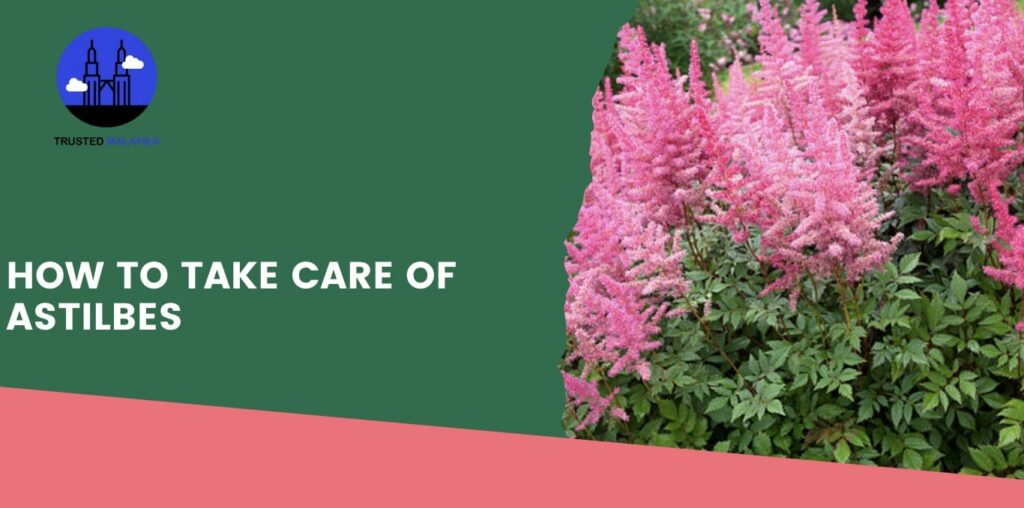
As if coming out of a winter wonderland village, astilbes are these lovely enchanting flowers in the shape of small pine trees with cream, lilac, red, white, or pink shades. Having them is fantastic because, for one reason, they’re super easy to care for. And two, they complement other flowers and plants around them, making

How to Take Care of Astilbes Read More »

How to Take Care of Alliums

How to Take Care of Alliums

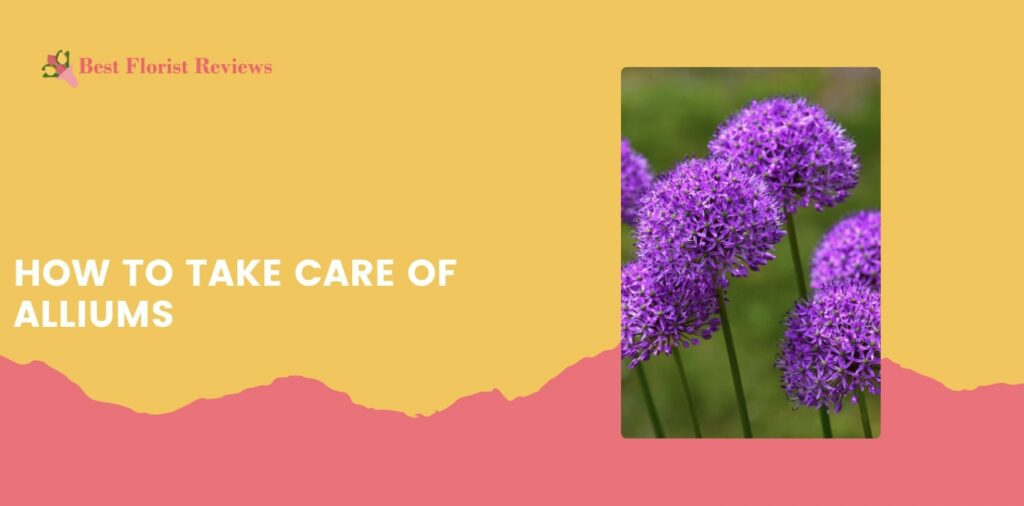
Striking and unusual, an allium with its purple starry flowers will surely brighten any garden, patio, or terrace. It interestingly belongs to the Allium genus consisting of vegetables like onions, leeks, shallots, and garlic. So it’s not surprising that it’s sometimes called a flowering onion. Should you decide to plant or get one for your

How to Take Care of Alliums Read More »

How to Take Care of Anemones

How to Take Care of Anemones

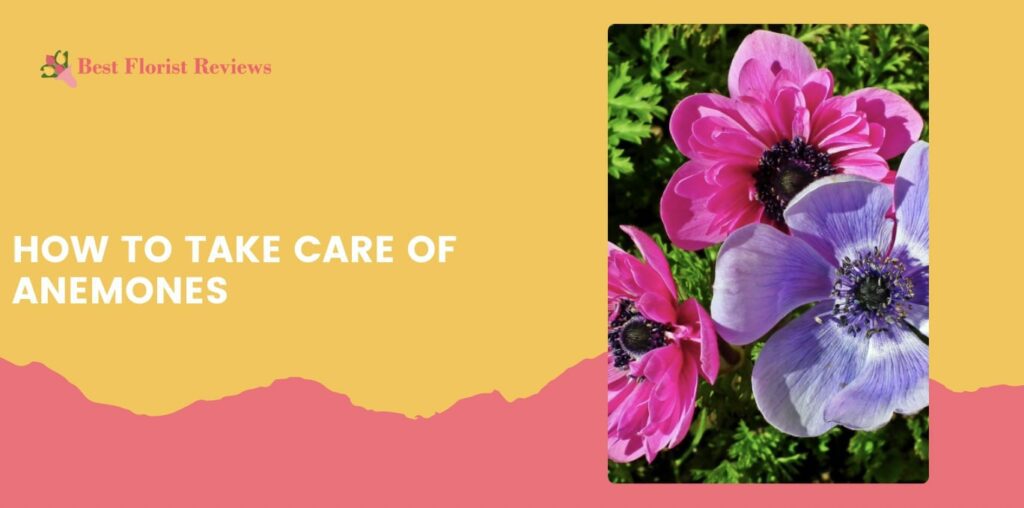
Anemones are also known as windflowers since they lightly sway with the breeze. They are known for their delicate beauty and tall stems, making them great flowers to give to a beloved or to plant at home. Speaking of which, taking care of anemones is very simple. Keep reading this guide to know their various

How to Take Care of Anemones Read More »

How to Take Care of Asters

How to Take Care of Asters

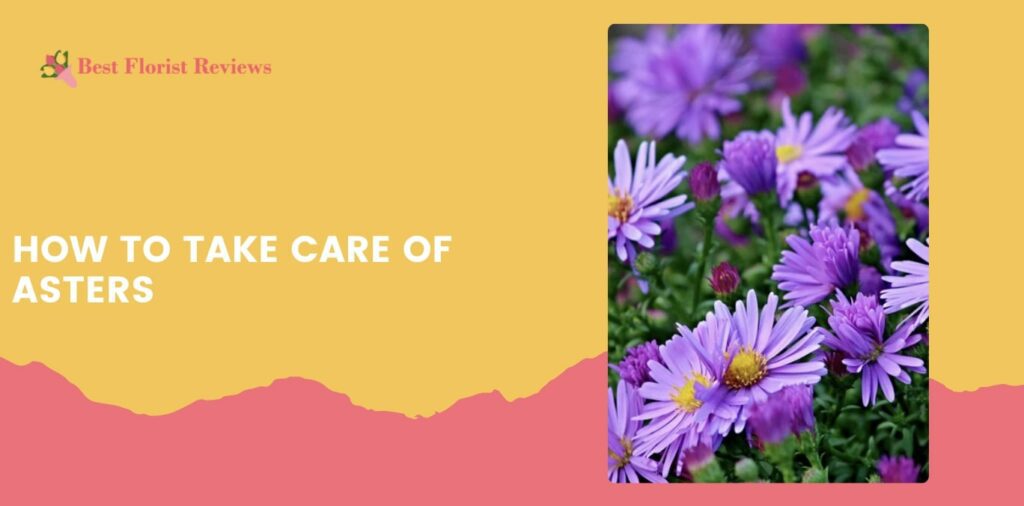
Asters are one of the most magnificent flowers in nature. You may notice that these flowers resemble gerbera daisies a bit—and that’s correct since they both belong to the family Asteraceae. The growing season of asters takes place during late summer and fall. However, the Alpine Aster blooms in the spring and is notable for

How to Take Care of Asters Read More »

All about the Chrysanthemum History and Symbolism

All about the Chrysanthemum: History and Symbolism

Chrysanthemums or mums are used for a smorgasbord of occasions, including new births, birthdays, Mother’s Day, well-wishing, funerals, and sympathies. The flowers’ most distinct feature is perhaps its bountiful petal formation. However, they’re not really petals but small flowers called florets, which open gracefully during summer and fall. Another highlight is that chrysanthemums are resilient

All about the Chrysanthemum: History and Symbolism Read More »